%20(1).png)
What Do -San, -Kun, and -Chan Mean in Anime?
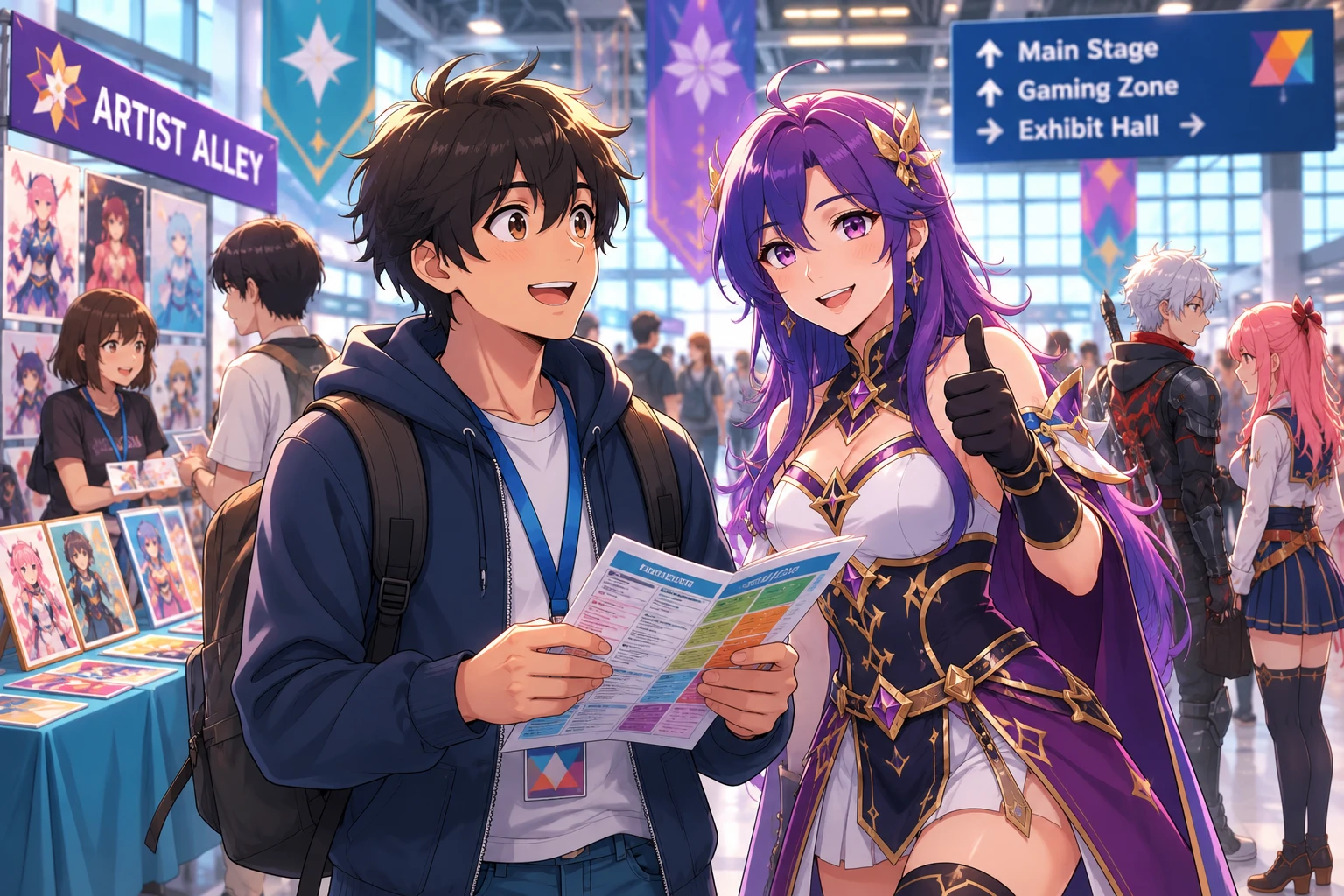
In anime, -san, -kun, and -chan are name endings that show respect, familiarity, or affection, helping define relationships between characters.

If you’ve watched anime, you’ve probably heard names like:
Tanaka-san
Yuki-chan
Sato-kun
At first, it can sound confusing.
Why don’t they just say the person’s name?
The short answer is simple:
those endings show how characters feel about each other.
🧠 What are -san, -kun, and -chan?
These are small additions placed at the end of someone’s name.
They’re not random.
They help communicate:
- respect
- familiarity
- closeness
- social position
In many ways, they say more than the name itself.
👤 What does “-san” mean?
“-san” is the most common and neutral.
It’s a polite, respectful way to address someone.
You can think of it as similar to:
- Mr.
- Ms.
- or just a respectful tone
It doesn’t imply closeness or distance—it’s simply appropriate in most situations.
If a character uses “-san,” they’re being polite.
🧑 What does “-kun” mean?
“-kun” is often used for:
- boys
- younger people
- or someone of lower rank
It can sound friendly, but it also carries a sense of hierarchy.
For example:
- a teacher might use it for a student
- a boss might use it for an employee
It shows familiarity, but not necessarily equality.
😊 What does “-chan” mean?
“-chan” is more personal.
It’s often used for:
- close friends
- younger children
- someone seen as cute or endearing
It can also be used playfully between characters who are very close.
If someone uses “-chan,” there’s usually a sense of warmth behind it.
🔄 Why it feels confusing at first
In English, we don’t really have direct equivalents for this.
We don’t change how we say someone’s name based on:
- emotional closeness
- social rank
- subtle shifts in relationships
Anime does.
That’s why it can feel strange at first—but once you notice it, you start to understand characters more clearly.
🎭 What it reveals about characters
These small name endings can tell you a lot:
- who respects who
- who feels close
- who keeps their distance
- who is above or below someone socially
Sometimes, a single change—from “-san” to “-chan”—can signal a shift in a relationship.
And that change can mean more than a full scene of dialogue.
🌍 Why anime uses this system
Anime relies heavily on visual and verbal shortcuts.
Just like hair color or character design, these name endings help communicate information quickly.
You don’t need everything explained.
You can feel it through how characters speak to each other.
This is something you will start to notice across many of our own original Epic Anime Characters.
🧩 The bigger idea
These endings aren’t just part of the language.
They’re part of the storytelling.
They help define relationships without slowing the story down.
Once you understand them, conversations in anime start to feel more natural—and more meaningful.
Final thought
Anime doesn’t just tell you who characters are.
It shows you—through how they look, how they act, and even how they say each other’s names.
And sometimes, something as small as “-san” or “-chan” can quietly reveal everything.
If you want to see how character relationships and interactions play out in full stories, you can explore them through Epic Anime Stories.
.svg)



Join Our Newsletter
Get a weekly selection of curated articles from our editorial team.
.png)
.png)
.png)