%20(1).png)
Anime Lore Explained: Worldbuilding, Backstory and Canon
A deeper guide to anime lore: what it means, how it differs from plot and worldbuilding, and how stories reveal hidden history.
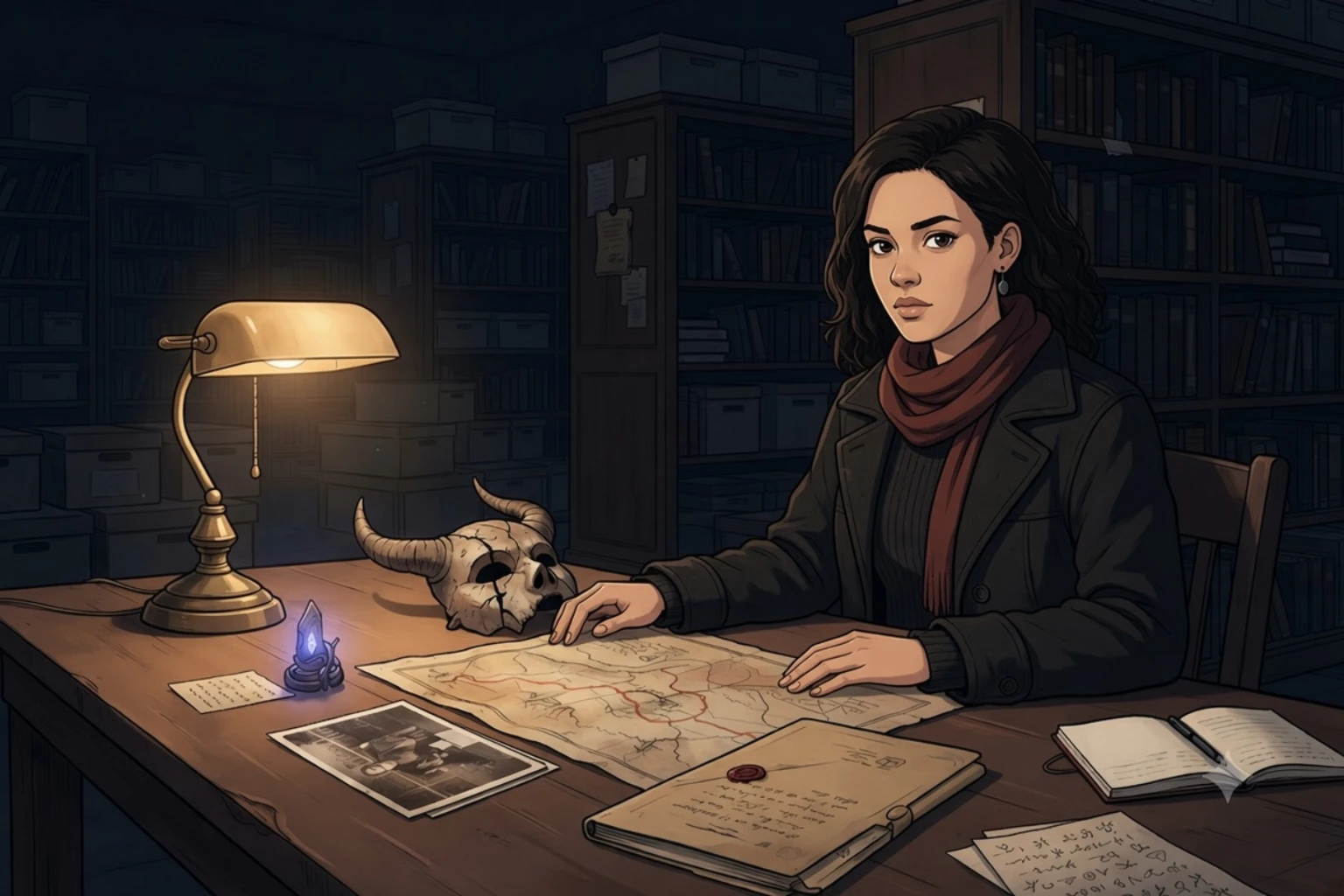
Anime lore is one of those phrases people use instinctively. You can feel when a series has it: a ruined city seems to remember who built it, an old symbol keeps returning at the edge of a scene, or a character falls silent when a certain name is spoken. The story feels larger than the events currently unfolding.
If you are new to the idea, start with our simple guide to what anime lore is. This article goes a little deeper: into the difference between lore, plot, worldbuilding, backstory, and canon—and why the best lore is often the part a story does not explain all at once.
What is Anime Lore?
Anime lore is the accumulated history, meaning, rules, and unanswered questions that give a fictional world depth. It can include ancient wars, family legends, supernatural agreements, old technologies, religious beliefs, institutions, lost places, artifacts, and the stories people inside the world tell one another.
It is not simply a list of facts. Lore matters when it changes how we understand a present-day choice, a place, or a person. A mask becomes more than an object because people remember what it did. A coastline becomes more than scenery because an old fleet vanished there. A rule becomes more than a rule because someone once paid the price for breaking it.
Good lore makes a world feel as if it existed before the first episode and will continue after the final scene.
Anime Lore vs. Plot
Plot is what happens now. It is the chain of events that carries characters from one decision and consequence to the next: a mystery is investigated, a rival appears, a ship is damaged, a promise is broken.
Lore is the larger context behind those events. It explains why a mystery matters, why a rival carries an old grudge, why a ship has a forbidden route, or why a promise was dangerous in the first place.
The two work together. A story with only plot can move quickly but feel disposable. A story with only lore can feel like a history book. The satisfying balance is when plot lets readers discover lore naturally, at the moment it changes what they thought they understood.
Lore Vs. Worldbuilding
These terms overlap, but they are not identical.
Worldbuilding is the visible structure of a setting: its cities, nations, technology, magic, customs, geography, and daily life. It answers, “How does this world work?”
Backstory is what happened before the current narrative, usually to a particular character or group. It answers, “What brought this person here?”
Lore connects those things to a wider sense of history and meaning. It answers, “What does this world remember—and what has it forgotten?”
Canon is the official body of information that is true within a story universe. Lore may be part of canon, but canon can also include immediate plot facts with no larger historical weight.
For example, a character having once lost a friend is backstory. A city built around the battlefield where thousands of people lost friends is lore. The city’s transport system, laws, and architecture are worldbuilding. The confirmed truth of all those details is canon.
Types of Anime Lore
Lore does not have to look like a royal family tree or a thousand-year war. It can appear in many forms.
Mythic lore comes from legends, old rulers, gods, disasters, prophecies, and stories people repeat because they are afraid to forget them.
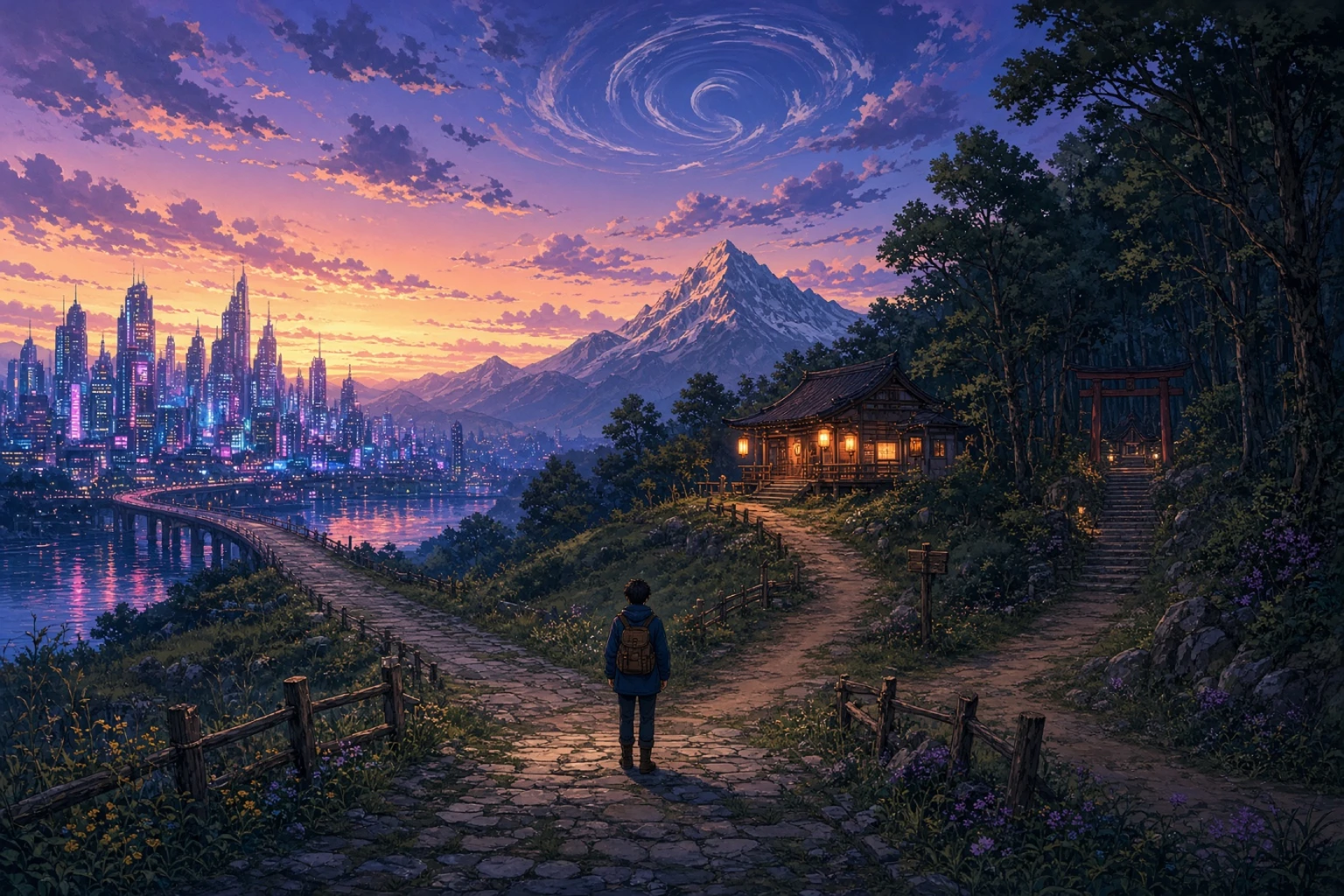
Place-based lore lives in a forest, road, town, station, ruin, or coastline. The setting carries traces of what happened there, even before anyone explains them.
Institutional lore grows around corporations, schools, governments, military groups, secret facilities, or other systems with hidden rules and buried histories.
Character lore forms when someone has become larger than their present self: a detective with a reputation, a vanished warrior, a feared monarch, or a person remembered differently by everyone who knew them.
Artifact lore lives in an object—a mask, letter, weapon, map, machine, relic, or photograph. The object has weight because it connects people to an older event, promise, mistake, or belief.
Lore Without Exposition
The best lore is rarely delivered in one speech. Instead, it is suggested through details that invite attention.
A damaged monument appears in the background of several scenes. Two characters use different names for the same event. A familiar symbol appears on an artifact, a uniform, and an old map. Someone refuses to enter a room, but nobody says why. A community has customs that make no sense until a later reveal.
This is why restraint matters. Leaving some questions unanswered is not the same as being vague. A story should give the reader enough consistent detail to imagine the shape of what lies beyond the scene, even when it withholds the full explanation.
Lore in Our Stories
Epic Anime Lore uses several different forms of lore across its story worlds. Each approach creates depth in a different way.
Myth and historical memory: The Horned Queen
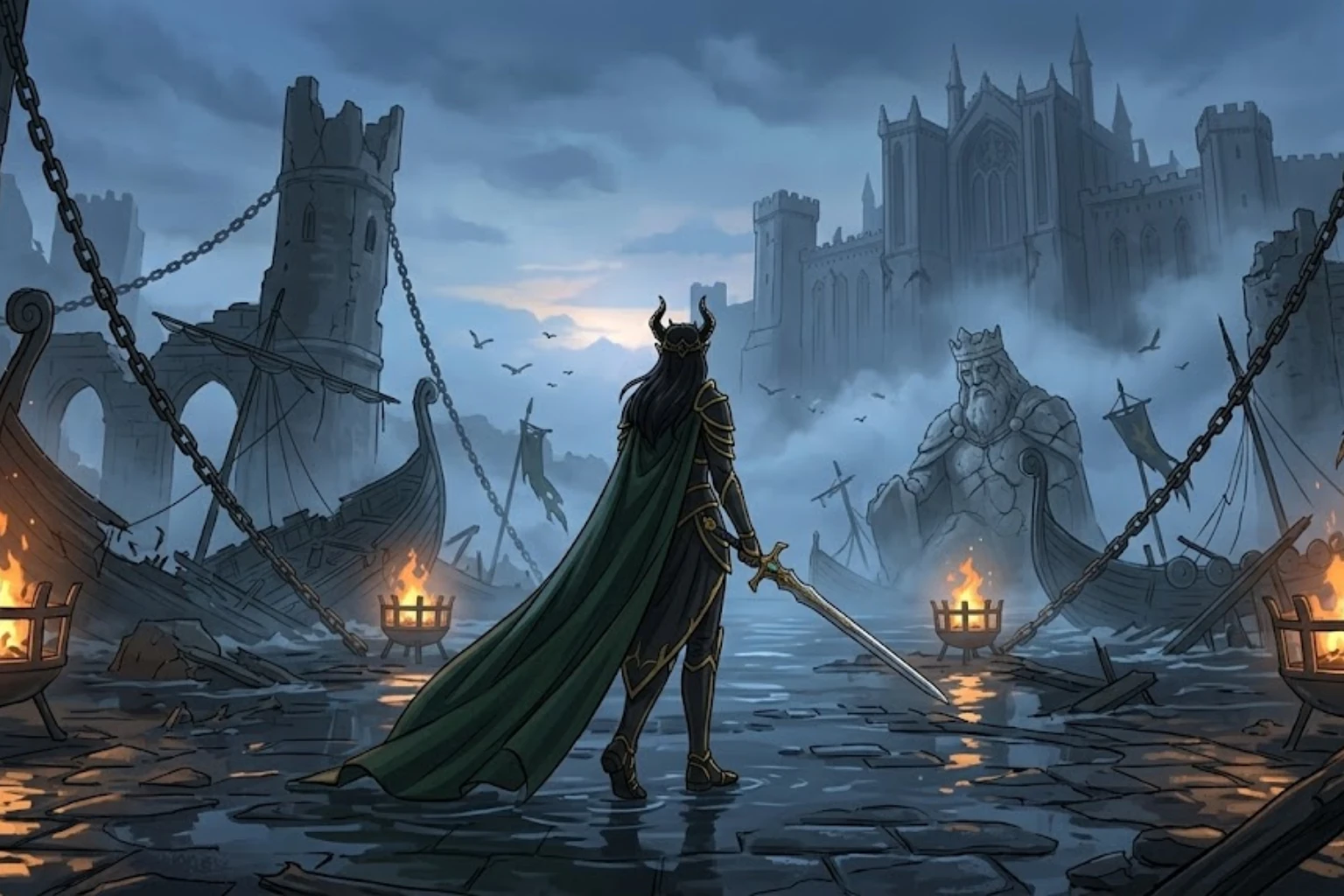
In The Horned Queen, a storm-lashed coast is haunted by the arrival of ghostly warships and a horned flagship unknown to history. The story’s power does not come from a lecture explaining every part of the past. It comes from the sense that the coast, its watchers, and the sea itself already know something the present has forgotten.
Lore carried by a place: The Wildborne
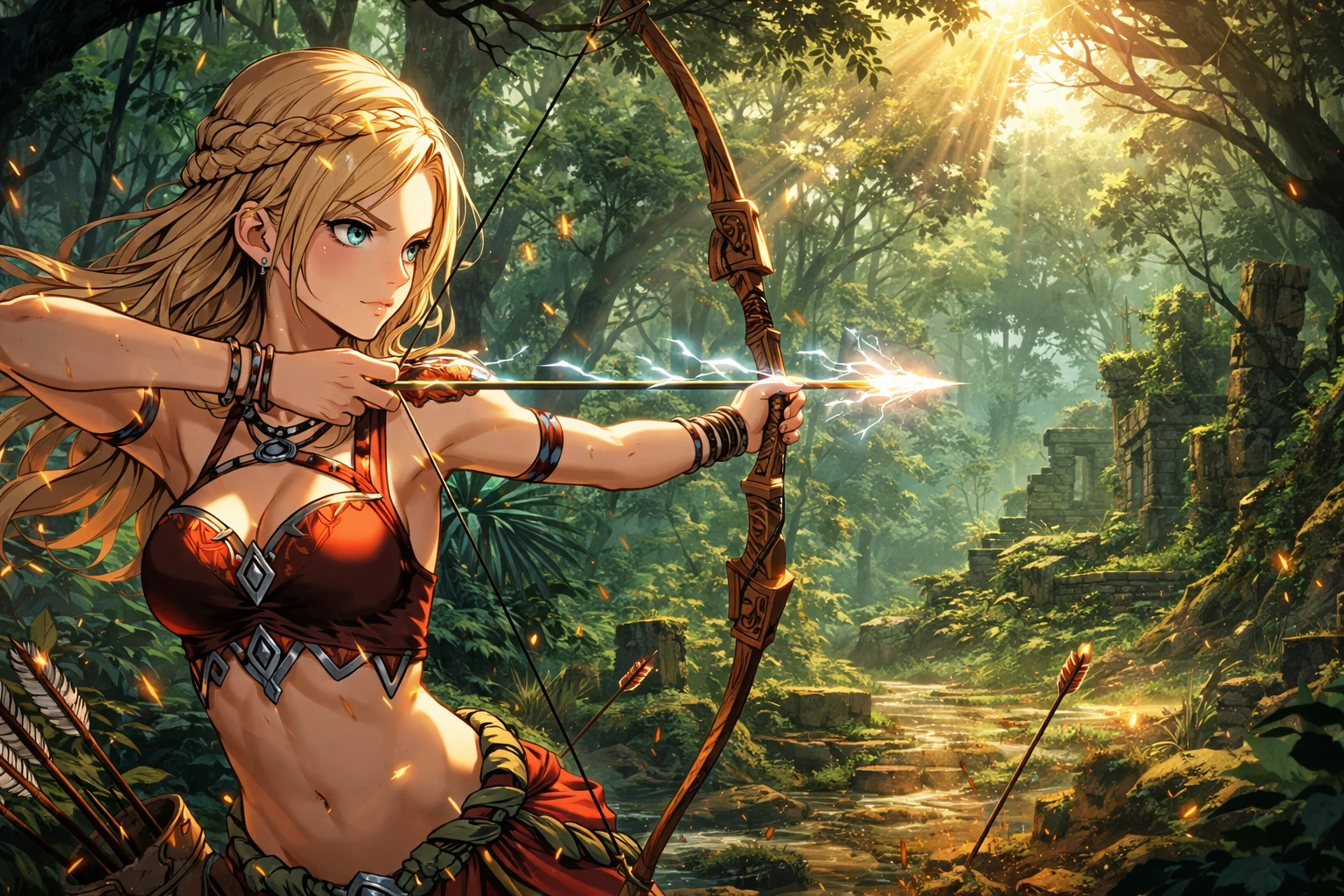
The Wildborne shows how setting can carry lore. Its hidden jungle sanctuary is shaped by ancient forces, sacred ground, and the legacy the Spiritwalkers inherit. The environment is not merely where the action happens. It holds the conditions, beliefs, and old dangers that make the characters’ choices meaningful.
Hidden rules and institutions: The Lore Paradox
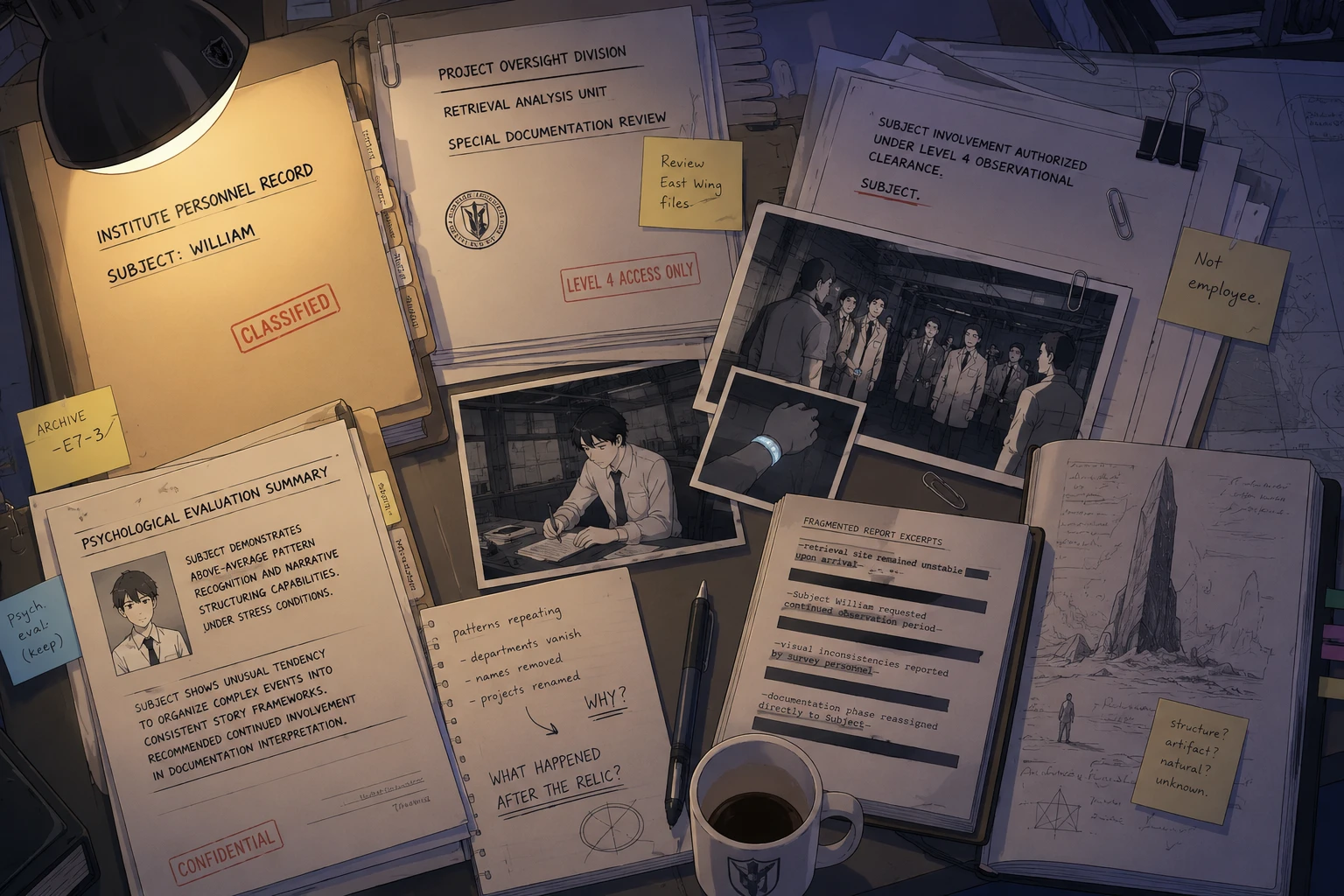
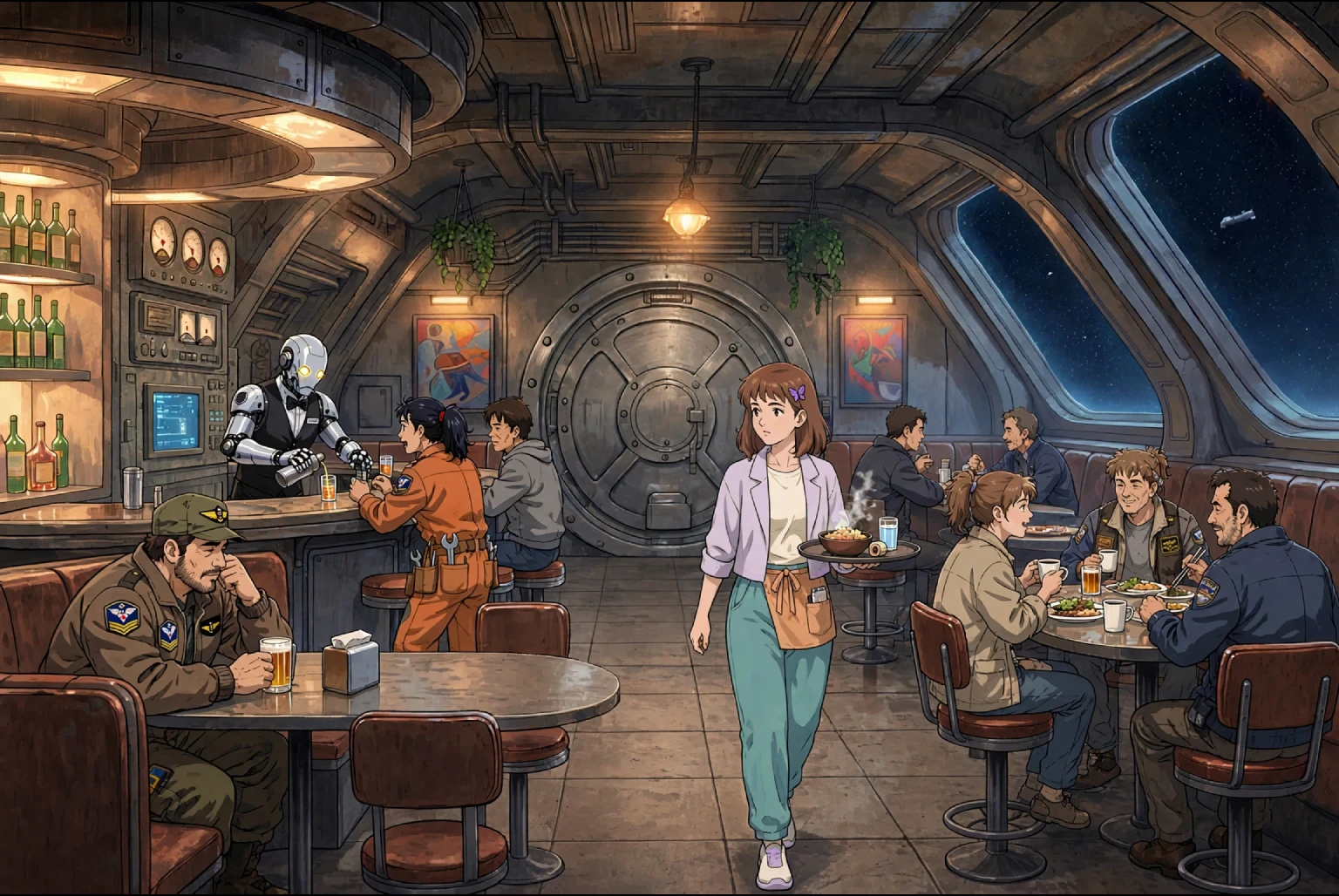
In The Lore Paradox, a controlled facility and its unstable reality suggest a deeper system operating behind ordinary interactions. The lore comes through what is withheld: the East Wing, hidden figures, a glowing relic, and rules no one fully explains. This is a useful reminder that lore does not need castles, ancient kingdoms, or fantasy maps. A modern-looking institution can carry just as much buried history.
Character legacy: Trace Murphy
Trace Murphy demonstrates lore built around a person. Sealed files, missing names, and fragile memories surround a figure whose reputation is inseparable from the strange cases he encounters. The world feels deeper because no one meets Trace as a blank slate; every rumor, case file, and contradiction adds to the legend around him.
.webp)
Artifacts can carry the same kind of depth. A recovered object can preserve a piece of history without explaining it completely—an old route map, an evacuation letter, a relic, or a mask whose meaning changes depending on who holds it. These details let a story’s past remain physically present in its world.
Why Lore Matters
Depth does not come from the amount of information on a wiki. It comes from consistency, consequence, and implication.
When a story’s history affects how people speak, what they fear, which roads they avoid, what they are willing to sacrifice, and what they refuse to remember, the lore feels real. Readers do not need every answer immediately. They need to trust that the unanswered details belong to a coherent world rather than being random mysteries.
That is why a small clue can matter more than a large explanation. A cracked mask on a shelf, a name crossed out in a report, or a village ritual no outsider understands can create a sense of scale because each one suggests an unseen history behind it.
Finding Lore in Anime
Pay attention to the details a story returns to. Notice the names people avoid, the objects that reappear, and the places that change the mood of a scene. Listen for old events that different characters remember differently. Ask what rules seem to exist before anyone states them aloud.
You do not need to memorize timelines or pause every episode to study a map. Lore becomes enjoyable when it makes you curious—not when it feels like homework. The point is to recognize the connections that make a story world feel alive.
Explore Story Worlds
Lore is not separate from story. It is the hidden structure that gives a plot emotional weight, gives a setting memory, and makes a character’s choices feel connected to something larger.
Explore more original anime-inspired stories, characters, artifacts, and connected worlds across Epic Anime Lore.
.svg)



Join Our Newsletter
Get a weekly selection of curated articles from our editorial team.
.png)
.png)
.png)