%20(1).png)

Anime is often remembered for its characters, battles, or visual style—but what keeps people coming back isn’t always what’s on the surface. Beneath every memorable series is something quieter and more enduring: its lore.
Anime lore is the foundation of a story’s world. It includes the history that shaped it, the rules that govern it, and the unseen forces that influence everything within it. While the plot shows you what is happening, lore suggests why it matters—and what might exist beyond what you can see.
In some series, lore is built through ancient conflicts or forgotten civilizations. You might see it in ruined cities, in symbols etched into armor, or in brief lines of dialogue that hint at events long past. Other stories reveal their depth more gradually, through character memories, shifting alliances, or the quiet presence of something never fully explained.
What makes strong anime lore stand out is not how much it tells you, but how much it leaves unsaid. The most compelling worlds feel complete even when you only see a small part of them. There’s a sense that the story continues beyond the edges of the screen—that the characters are shaped by histories you’ll never fully uncover.
This is why certain anime stay with people long after they finish watching. It’s not just the ending that lingers, but the feeling that the world still exists somewhere, unchanged and unresolved. That lingering weight comes from consistency, atmosphere, and restraint—elements that give a story depth without needing constant explanation.
For beginners, understanding anime lore doesn’t require studying timelines or memorizing details. It starts with attention. Notice how a world behaves. Pay attention to what characters avoid saying. Look for patterns—recurring symbols, repeated phrases, or places that seem to carry more meaning than they reveal. Over time, you begin to recognize when a story is simply entertaining and when it’s building something deeper beneath the surface.
Some worlds are loud and immediate. Others unfold slowly, asking for patience. Both can be effective, but the ones that endure tend to trust the audience—to allow space for interpretation rather than filling every gap with exposition.
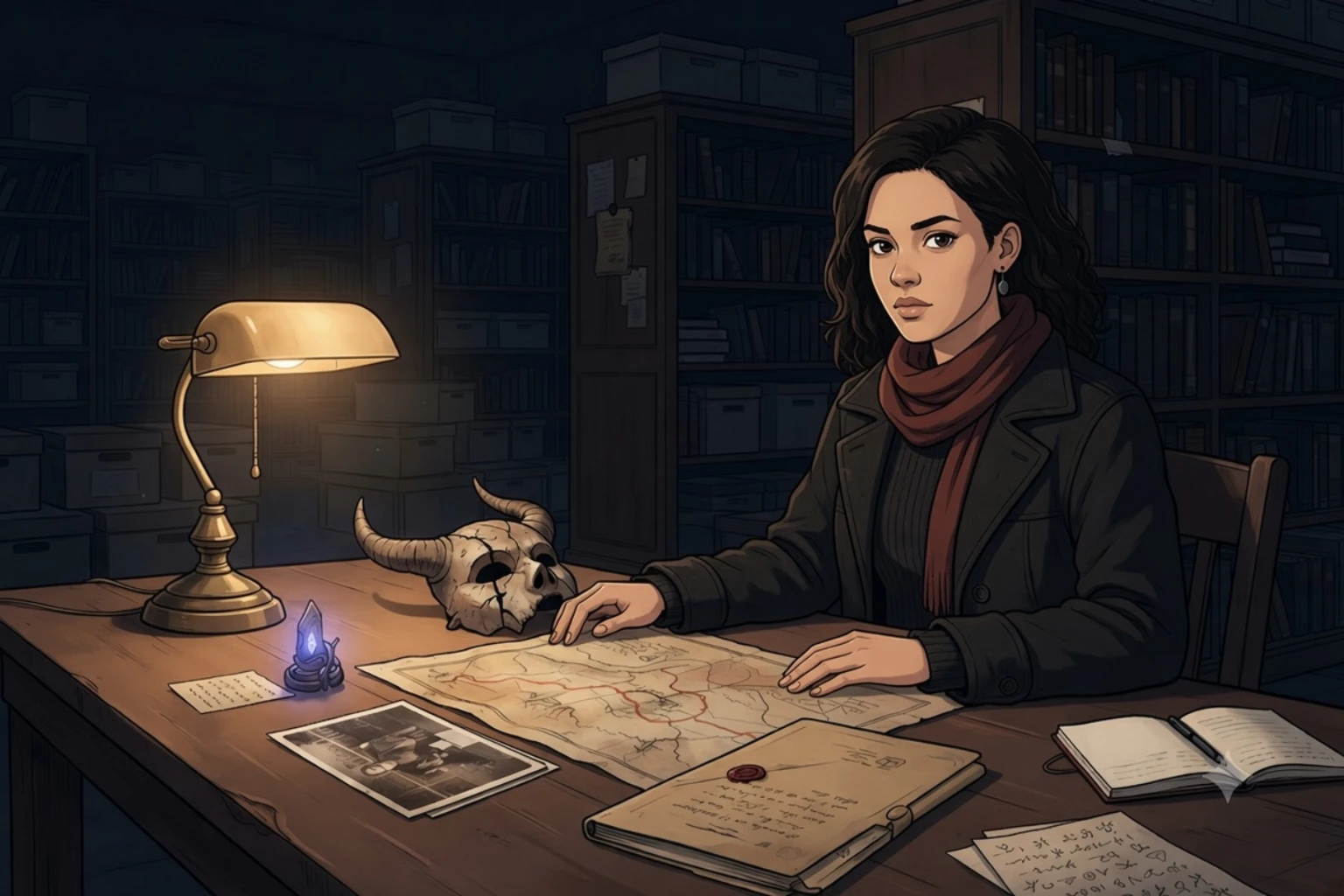
That same approach exists in original story worlds as well. Stories like The Oni Mask focus less on spectacle and more on presence—where objects carry history, and meaning is revealed through atmosphere rather than explanation. The story doesn’t rush to define itself, and that restraint becomes part of its identity.
Anime lore isn’t just background information. It’s the quiet structure that gives a story weight, even when it isn’t fully understood. And once you start noticing it, you’ll begin to see it everywhere—not as something separate from the story, but as the reason the story stays with you.
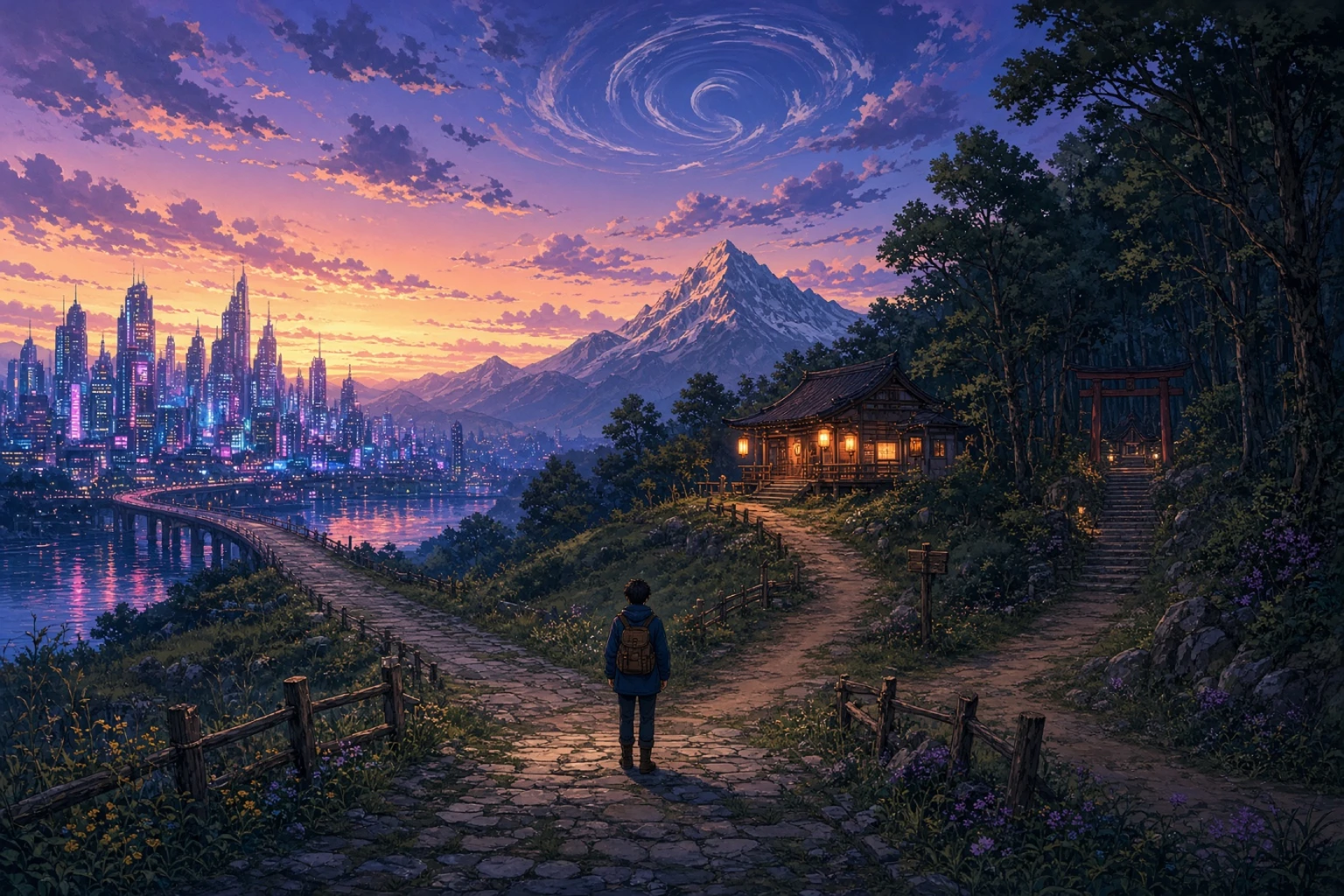
Stories like The Blossom Grove focus less on spectacle and more on presence.

.svg)



Join Our Newsletter
Get a weekly selection of curated articles from our editorial team.

.png)
.png)
.png)