%20(1).png)
What Is the Japanese Oni Mask?
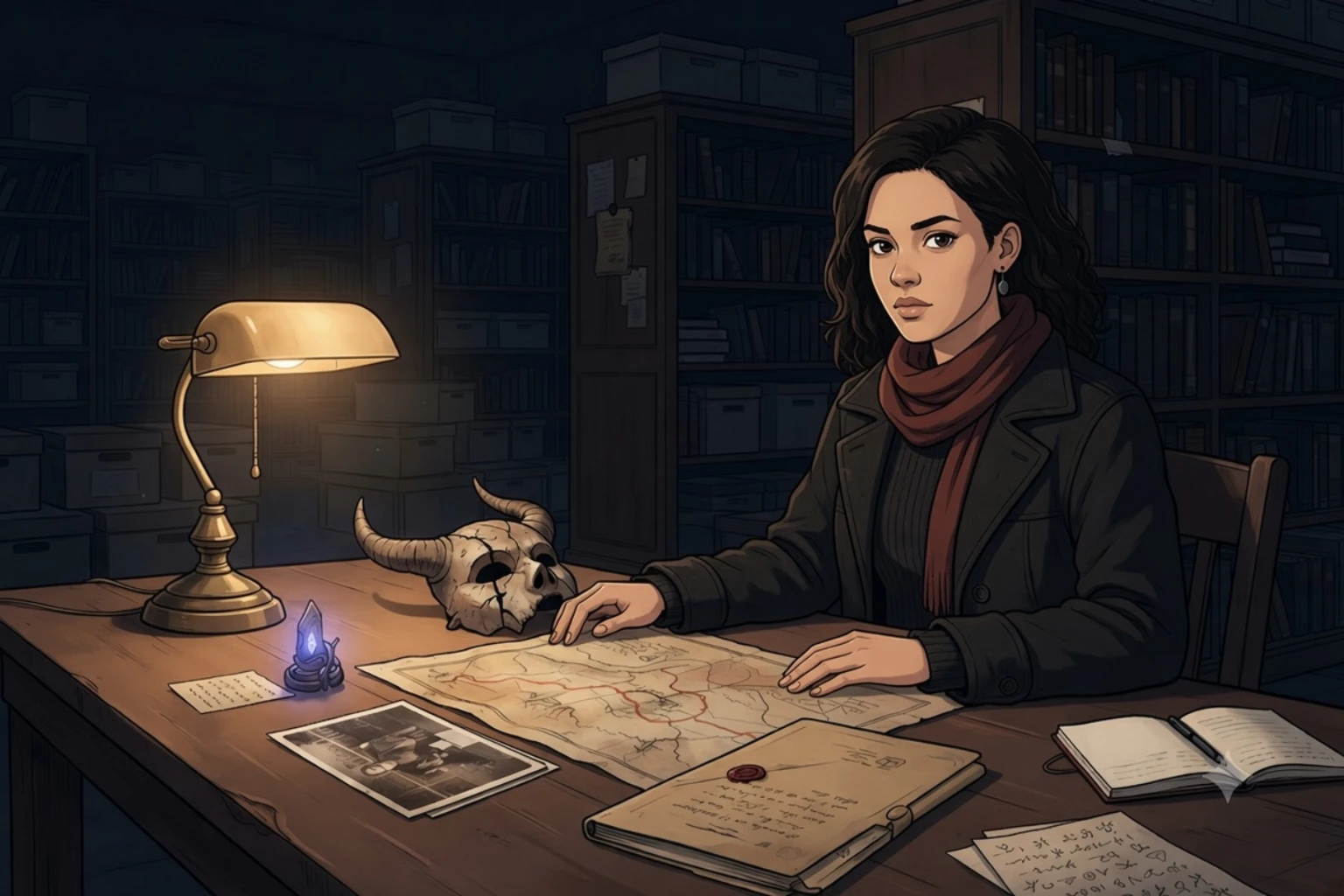
Oni masks come from Japanese folklore as symbols of human flaws turned monstrous—A Legacy of Folly continues that idea, showing how the same mistake repeats across time.

The Oni mask comes from Japanese folklore, where oni are powerful supernatural beings often depicted as demons, ogres, or punishers of the wicked. Traditionally, oni are not mindless monsters—they represent human traits taken to extremes: rage, jealousy, greed, and vengeance.
Historically, oni masks appeared in multiple parts of Japanese culture:
- Noh and Kabuki Theater used masks to portray demons, spirits, and transformed humans, emphasizing emotion and moral consequence.
- Festivals like Setsubun featured oni as symbols of misfortune, where people would drive them away to cleanse the coming year.
- Folklore and religious imagery often placed oni as enforcers of punishment, sometimes serving as guardians of hell or agents of karmic balance.
What makes oni unique is that they are often former humans. In many stories, a person becomes an oni not by birth, but through obsession, hatred, or unchecked desire. The transformation is gradual—internal before it is external.
Because of this, the oni mask became more than decoration. It represents a threshold:
👉 the moment a person crosses from control into surrender
👉 the point where emotion overtakes identity
Even today, oni masks are used in art, performance, and symbolism—not just as horror imagery, but as reminders of what happens when human flaws are left unchecked.
How This Connects to The Oni Mask: A Legacy of Folly
The Oni Mask: A Legacy of Folly builds on this foundation—but shifts the focus.
In traditional folklore, a person becomes the oni.
In your story, the mask remains constant—and the people change.
The mask does not transform its wearer into a literal demon. Instead, it exposes the same underlying truth found in the original legends:
👉 people become their worst decisions long before they realize it
Each story in A Legacy of Folly reflects this pattern across time. Different settings, different individuals—but the same mistake repeating. Every owner believes they are in control. Every owner believes their situation is different.
The mask does not need to curse loudly or act violently.
It simply allows the wearer to continue—just a little further than they should.
And like the oni of folklore, the result is not immediate destruction, but gradual surrender to something already inside them.
.svg)




Join Our Newsletter
Get a weekly selection of curated articles from our editorial team.

.png)
.png)
.png)